Single Wide Mobile Home for Sale: Everything You Need to Know
Single Wide Mobile Home for Sale – Are you in the market for a single wide mobile home? Look no further! In this comprehensive guide, we will walk you through everything you need to know about single wide mobile homes for sale. Whether you are a first-time buyer or an experienced investor, this article will provide you with all the information you need to make an informed decision.
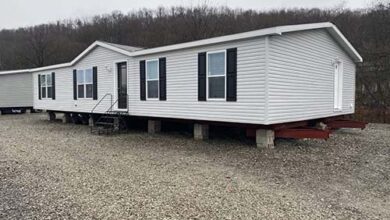
Single wide mobile homes, also known as single-section homes, are a popular housing option for many people due to their affordability and flexibility. These homes are typically narrower and longer than double wide homes, making them perfect for individuals or small families looking for a cozy and comfortable living space.

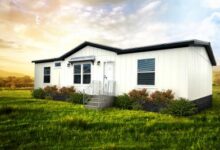

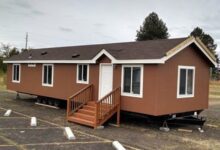
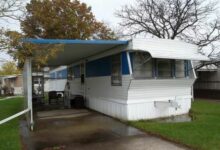
Understanding Single Wide Mobile Homes
When it comes to understanding single wide mobile homes, it's important to consider their characteristics and features. These homes are manufactured in a factory and then transported to their final location. They are typically constructed on a steel frame, which provides stability and durability.
The size of a single wide mobile home can vary, but they are generally around 14 to 18 feet wide and 60 to 90 feet long. The layout of these homes is designed to maximize space efficiency, with the main living areas located in the center and bedrooms and bathrooms at each end.
Construction Materials
Single wide mobile homes are constructed using a variety of materials to ensure strength and longevity. The exterior walls are typically made of vinyl or metal siding, which is durable and requires minimal maintenance. The roof is usually made of shingles or metal, providing protection against the elements.
Inside the home, the walls are commonly made of gypsum board or paneling, while the flooring can vary from vinyl to laminate or even carpet. The windows are typically made of double-pane glass, offering insulation and energy efficiency.
Benefits of Single Wide Mobile Homes
There are numerous benefits to owning a single wide mobile home. One of the most significant advantages is their affordability. Compared to traditional stick-built homes, single wide mobile homes are generally more affordable, making homeownership more accessible for many individuals and families.
Another benefit of single wide mobile homes is their energy efficiency. These homes are often built with insulation in walls, floors, and ceilings, helping to reduce heating and cooling costs. Additionally, many manufacturers offer energy-efficient appliances and systems, further reducing energy consumption.
Flexibility and Mobility
One of the key advantages of single wide mobile homes is their flexibility and mobility. Unlike traditional homes, these homes can be easily moved from one location to another. This is particularly beneficial for individuals who may need to relocate due to work or other personal reasons.
Furthermore, single wide mobile homes offer the flexibility to add or remove rooms and make modifications to suit individual needs and preferences. Whether you want to expand the living space or create a home office, these homes can be customized to meet your specific requirements.
Finding the Perfect Location
Location is a crucial factor to consider when buying a single wide mobile home. The right location can significantly impact your quality of life and the value of your investment. Here are some important factors to keep in mind when selecting the perfect location for your mobile home.
Zoning Regulations
Before purchasing a single wide mobile home, it's important to understand the zoning regulations in the area where you plan to place the home. Zoning laws can vary from one jurisdiction to another, and some areas may have specific restrictions on the placement and use of mobile homes.
Research the local zoning regulations to ensure that you can legally place a single wide mobile home on the chosen site. Some areas may require specific permits or have limitations on the size or appearance of mobile homes.
Amenities and Facilities
Consider the proximity of amenities and facilities when choosing the location for your single wide mobile home. Access to grocery stores, schools, healthcare facilities, and recreational areas can greatly enhance your quality of life.
Additionally, think about the availability of utilities such as water, electricity, and sewage. Ensure that the chosen location has access to these essential services, as this will be crucial for comfortable living in your mobile home.
Financing Options
Securing financing for your single wide mobile home is an important step in the buying process. There are several financing options available, and understanding them can help you make an informed decision. Here are some common financing options for single wide mobile homes.
Traditional Mortgage Loans
One financing option for purchasing a single wide mobile home is a traditional mortgage loan. Similar to financing a stick-built home, you can apply for a mortgage loan from a bank or lending institution. These loans typically require a down payment and have specific eligibility criteria.
It's important to note that not all lenders offer mortgage loans for mobile homes, and the terms and interest rates may vary. Shop around and compare different lenders to find the best mortgage loan option for your single wide mobile home purchase.
Chattel Loans
Chattel loans are another common financing option for single wide mobile homes. These loans are specifically designed for manufactured homes, including single wide homes. Chattel loans differ from traditional mortgage loans in that they finance only the home itself, rather than the land it sits on.
Chattel loans generally have higher interest rates compared to traditional mortgage loans, but they can be easier to qualify for. These loans are typically offered by specialized lenders who specialize in mobile home financing.
Choosing the Right Floor Plan
Choosing the right floor plan is an important consideration when buying a single wide mobile home. The floor plan will determine the layout and functionality of your home, so it's essential to find one that suits your needs and preferences. Here are some factors to consider when selecting a floor plan.
Number of Bedrooms and Bathrooms
Consider how many bedrooms and bathrooms you require in your single wide mobile home. If you have a small family, two or three bedrooms may be sufficient. However, if you frequently host guests or need additional space for a home office, you may want to consider a floor plan with more rooms.
Similarly, determine how many bathrooms you need. Having multiple bathrooms can make everyday living more convenient, especially if you have a larger family or frequently entertain guests.
Open-Concept vs. Defined Spaces
Decide whether you prefer an open-concept layout or defined spaces in your single wide mobile home. Open-concept floor plans provide a spacious and airy feel, with the kitchen, dining, and living areas seamlessly flowing into one another.
On the other hand, defined spaces offer separate rooms for each area, providing privacy and distinct areas for different activities. Consider your lifestyle and personal preferences when choosing between an open-concept or defined space floor plan.
Inspecting and Evaluating the Home
Before finalizing the purchase of a single wide mobile home, it's crucial to thoroughly inspect and evaluate its condition. This will help you identify any potential issues and ensure that you are making a sound investment. Here are some key areas to focus on during the inspection process.
Structural Integrity
Start by examining the structural integrity of the home. Look for any signs of sagging or bowing in the walls or ceilings, as this could indicate structural issues. Check for any cracks or gaps in the walls or floors, as well as signs of water damage.
Inspect the foundation of the home, ensuring that it is stable and free from any significant damage. If the home is elevated, check the underbelly for any signs of deterioration or pest infestation.
Plumbing and Electrical Systems
Thoroughly inspect the plumbing and electrical systems of the single wide mobile home. Test faucets and toilets to ensure that they are functioning properly, and check for any leaks or water damage.
Inspect the electrical panel and outlets to ensure they are in good condition. Look for any exposed wiring or signs of faulty electrical work. It may be wise to hire a professional inspector to assess the safety and functionality of the electrical system.
Negotiating the Price
Negotiating the price of a single wide mobile home is a crucial step in the buying process. Here are some tips and strategies to help you secure the best possible price for your new home.
Research Comparable Sales
Before entering into negotiations, research comparable sales in the area. Look for similar single wide mobile homes that have recently sold and compare their prices. This will give you a benchmark to determine a fair price for the home you are interested in.
Consider factors such as the condition, location, and age of the home when comparing sales. This will help you determine whether the asking price is reasonable or if there is room for negotiation.
Identify Potential Issues
During the inspection process, identify any potential issues or necessary repairs in the single wide mobile home. Use these findings as leverage during negotiations. If there are significant repairs or upgrades required, you can negotiate a lower price or ask the seller to address these issues before finalizing the sale.
Transportation and Setup
Once you have purchased a single wide mobile home, it needs to be transported and set up on your chosen location. This process requiresprofessional expertise to ensure a safe and successful installation. Here are the key steps involved in transporting and setting up a single wide mobile home.
Hiring a Professional Transportation Company
Transporting a single wide mobile home requires specialized equipment and expertise. It's essential to hire a professional transportation company that specializes in moving mobile homes. They will have the necessary equipment, such as flatbed trailers and hydraulic lifts, to safely transport the home to its new location.
Research and choose a reputable transportation company with experience in handling mobile homes. Ensure that they are properly licensed and insured to protect your investment during transportation.
Preparing the Site
Prior to the arrival of the mobile home, you will need to prepare the site for installation. This involves clearing the land, leveling the ground, and ensuring that the site meets the necessary zoning and building code requirements.
Consult with professionals, such as surveyors and contractors, to ensure that the site is properly prepared. They will help you determine the best location for your mobile home and ensure that the ground is stable and suitable for installation.
Foundation and Anchoring
Once the mobile home is delivered to the site, it needs to be properly anchored and secured to the ground. This is crucial for the stability and safety of the home. The specific anchoring method will depend on the local building codes and regulations.
Consult with professionals, such as contractors or mobile home installers, to determine the appropriate anchoring method for your specific location. They will ensure that the home is securely fastened to the ground, providing stability and protection against strong winds or seismic activity.
Maintenance and Upkeep
Proper maintenance and upkeep are essential to ensure the longevity and value of your single wide mobile home. Regular maintenance tasks will help prevent costly repairs and keep your home in optimal condition. Here are some key maintenance tips to keep in mind.
Regular Cleaning and Inspection
Regularly clean both the interior and exterior of your mobile home to remove dirt, dust, and debris. This will help prevent the buildup of grime and keep the home looking fresh and well-maintained.
Inspect the home periodically for any signs of damage or wear. Check for leaks, cracks, or loose fittings in the plumbing and electrical systems. Look for any signs of pests or structural issues. Address any issues promptly to prevent further damage.
Roof Maintenance
The roof is one of the most important components of a mobile home, as it provides protection against the elements. Regularly inspect the roof for any signs of damage, such as loose shingles or leaks.
Clean the gutters and downspouts to ensure proper drainage. Remove any debris or leaves that may accumulate on the roof, as this can lead to water pooling and potential damage.
Upgrading and Customizing
One of the advantages of owning a single wide mobile home is the ability to customize and upgrade it according to your preferences. Whether you want to enhance the aesthetics or improve functionality, here are some popular upgrade and customization options.
Interior Renovations
Consider updating the interior of your mobile home to create a fresh and modern living space. This can include repainting the walls, replacing outdated flooring, and upgrading fixtures and appliances.
Explore different design styles and themes to find inspiration for your interior renovations. Whether you prefer a minimalist, rustic, or contemporary look, there are countless options to personalize your home.
Exterior Enhancements
Improve the curb appeal of your single wide mobile home by making exterior enhancements. This can include adding a porch or deck, installing new siding or cladding, and landscaping the surrounding area.
Consider the architectural style of your home and the local climate when planning exterior enhancements. Choose materials and colors that complement the overall aesthetic and provide durability against the elements.
In conclusion, buying a single wide mobile home can be an exciting and rewarding experience. By understanding the characteristics and benefits of these homes, considering the location and financing options, and carefully inspecting and evaluating the home, you can make an informed decision and find the perfect single wide mobile home for your needs.
Remember to prioritize regular maintenance and upkeep to ensure the longevity and value of your investment. And don't forget to explore customization and upgrade options to make your single wide mobile home truly your own. Happy home hunting!