Pool Maintenance: Keeping Your Pool Clean and Clear
Pool Maintenance – Having a pool in your backyard is a luxury that many homeowners dream of. It offers a refreshing escape from the summer heat and provides a perfect setting for fun and relaxation. However, owning a pool comes with the responsibility of regular maintenance to ensure its longevity and optimal performance. In this comprehensive guide, we will walk you through everything you need to know about pool maintenance, from essential equipment to proper cleaning techniques.
Understanding Pool Chemistry
Proper pool chemistry is essential for maintaining a safe and healthy swimming environment. It involves balancing pH levels, chlorine, and alkalinity to prevent the growth of harmful bacteria and algae. Let's dive deeper into each aspect of pool chemistry.

The Importance of pH Levels
pH levels measure the acidity or alkalinity of your pool water. It is crucial to maintain a pH level between 7.4 and 7.6, as this range is ideal for swimmer comfort and effective sanitization. If the pH level is too high, it can cause cloudy water, scaling, and inefficient chlorine performance. On the other hand, a low pH level can lead to corrosion, skin irritation, and eye discomfort. Regularly test the pH level using a reliable kit and make adjustments using pH increasers or decreasers as needed.
The Role of Chlorine
Chlorine is the most common sanitizer used in pools to kill bacteria, viruses, and other harmful microorganisms. It helps maintain clear and hygienic water. The ideal chlorine level for a pool is between 1.0 and 3.0 parts per million (ppm). Too little chlorine can result in cloudy water and the growth of algae. Conversely, excessive chlorine can cause eye and skin irritation. Use chlorine tablets, granules, or liquid to maintain the proper chlorine level and ensure regular disinfection.
Alkalinity Balance
Alkalinity refers to the ability of pool water to resist pH changes. It acts as a buffer, stabilizing the pH level and preventing rapid fluctuations. The recommended alkalinity range is between 80 and 120 ppm. Low alkalinity can lead to pH instability, corrosion, and etching of pool surfaces, while high alkalinity can cause cloudy water and difficulty in adjusting pH levels. Sodium bicarbonate is commonly used to raise alkalinity, while muriatic acid can be used to lower it.
Equipment Essentials for Pool Maintenance
To effectively maintain your pool, you need to have the right equipment on hand. These essential tools will help you keep your pool clean, clear, and inviting for swimmers. Let's explore the must-have equipment for pool maintenance.
Skimmers
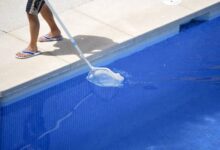
Skimmers are an integral part of pool maintenance as they remove debris, such as leaves, insects, and other floating debris, from the water's surface. They prevent these particles from sinking to the bottom and clogging the filtration system. Regularly skim your pool using a net skimmer or a skimmer basket attached to the pool's inlet to keep the surface clean and enhance water clarity.
Pool Brushes
Pool brushes are used to scrub the walls, floor, and steps of your pool to remove dirt, algae, and other stubborn stains. Different brushes are designed for specific pool surfaces, such as concrete, vinyl, or fiberglass. Brushing your pool at least once a week helps prevent the buildup of algae and keeps your pool looking fresh and inviting. Use long-handled brushes for larger areas and handheld brushes for more precise cleaning.
Vacuum Cleaners
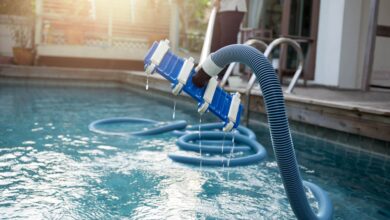
Pool vacuums are essential for removing dirt, debris, and sediment that settle on the pool floor. There are various types of pool vacuums available, including manual, automatic, and robotic options. Manual vacuums require manual labor to operate, while automatic and robotic vacuums can independently clean the pool. Choose the vacuum that suits your needs and budget to ensure a thorough cleaning of your pool's floor and walls.
Pool Pumps
Pool pumps play a vital role in maintaining proper water circulation and filtration. They keep the water moving, helping to distribute chemicals evenly and preventing stagnant areas where algae and bacteria can thrive. A well-functioning pump also helps remove debris and sediment, keeping the water clean and clear. Invest in a high-quality pump that matches the size and needs of your pool to ensure optimal performance.
Pool Filters
Pool filters are crucial for removing impurities, such as leaves, hair, dirt, and even microscopic particles, from the water. There are three main types of pool filters: sand filters, cartridge filters, and diatomaceous earth (DE) filters. Sand filters use sand as the filtration medium, cartridge filters contain replaceable cartridges, and DE filters use a fine powder made from fossilized diatoms. Each type has its advantages and maintenance requirements. Regularly clean or replace your pool filter to ensure efficient filtration and water clarity.
Skimming and Cleaning the Pool Surface
Skimming and cleaning the pool surface is an essential part of pool maintenance. It helps remove debris before it sinks to the bottom and becomes difficult to remove. Here are some tips for effective skimming and cleaning.
Skimming the Pool Surface
Regularly skim the pool surface using a net skimmer or skimmer basket attached to the pool's inlet. Start at one end of the pool and move methodically, removing leaves, insects, and other floating debris. Pay extra attention to areas where wind or water currents tend to accumulate debris, such as corners, near trees, or around skimmer baskets. Skimming should be done at least once a day, especially during periods of heavy leaf fall or windy weather.
Using Pool Surface Cleaners
In addition to skimming, you can use pool surface cleaners to remove stubborn stains, dirt, and oils from the walls and waterline of your pool. These cleaners come in various forms, including sprays, gels, and wipes. Follow the instructions provided by the manufacturer and apply the cleaner to a brush or sponge. Scrub the affected areas gently in a circular motion, focusing on areas with visible dirt or stains. Rinse the area thoroughly with water after cleaning.
Preventing Debris from Entering the Pool
Preventing debris from entering the pool in the first place can significantly reduce the time and effort required for cleaning. Consider using a pool cover when the pool is not in use, especially during periods of high debris activity. Trim any overhanging branches or shrubs near the pool to minimize the amount of leaves and twigs falling into the water. Regularly clean skimmer baskets and pool filters to ensure unobstructed water flow and efficient debris removal.
Brushing and Vacuuming the Pool
Brushing and vacuuming your pool on a regular basis is essential for keeping it clean and preventing the growth of algae and other contaminants. Here are some tips for effective brushing and vacuuming.
Choosing the Right Brush
Selecting the right brush for your pool's surface is crucial to avoid any damage. For concrete or plaster surfaces, use a stiff-bristle brush to remove dirt and algae effectively. Vinyl or fiberglass pools require a softer brush to prevent scratches. If you are unsure about the type of brush to use, consult your pool manufacturer or a pool maintenance professional.
Brushing the Pool Walls
Start brushing the pool walls from the top and work your way down to the bottom. Use long, sweeping motions to cover large areas, and pay extra attention to corners, steps, and any areas prone to algae growth. Brushing should be done at least once a week, or more frequently if you notice any signs of algae or visible dirt. Regular brushing helps prevent the buildup of algae and keeps your pool walls looking clean and well-maintained.
Vacuuming the Pool
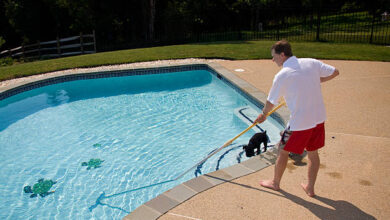
Vacuuming your pool removes dirt, debris, and sediment that settle on the pool floor. There are different types of pool vacuums available, including manual, automatic, and robotic options. Manual vacuums require manual labor to operate, while automatic and robotic vacuums can independently clean the pool. Follow the manufacturer's instructions for operating your specific vacuum and ensure that all areas of the pool floor are thoroughly cleaned. Vacuuming should be done at least once a week or more frequently if needed.
Automatic Pool Cleaners
If manual vacuuming seems like a daunting task, consider investing in an automatic or robotic pool cleaner. These devices use a combination of suction, brushing, and filtration to clean your pool without the need for manual intervention. Automatic cleaners connect to your pool's filtration system, while robotic cleaners operate independently using their own filtration and cleaning mechanisms. Choose the type of cleaner that best suits your pool size, budget, and cleaning requirements.
Maintaining Proper Water Circulation
Proper water circulation is essential for maintaining a clean and clear pool. It helps distribute chemicals evenly, prevents stagnant water, and enhances filtration. Here are some tips to optimize water circulation in your pool.
The Role of Pool Pumps
Pool pumps play a crucial role in water circulation by keeping the water moving through the filtration system. A well-functioning pump helps distribute chemicals evenly, prevents the growth of algae and bacteria, and removesdebris and sediment from the pool. Make sure your pool pump is properly sized for your pool's volume and has a sufficient flow rate to circulate the water effectively. Regularly inspect the pump for any signs of damage or malfunction and address any issues promptly to maintain optimal water circulation.
Running the Pump for Adequate Periods
To ensure proper water circulation, it's important to run your pool pump for an adequate amount of time each day. The recommended duration varies depending on factors such as pool size, bather load, and filtration system. As a general guideline, aim to run the pump for at least 8-12 hours per day. During periods of heavy pool usage or high temperatures, you may need to increase the runtime to maintain water clarity. Use a programmable timer to automate the pump's operation and ensure consistent circulation.
Optimizing the Pool's Return Jets
The pool's return jets play a significant role in water circulation by directing the flow of filtered water back into the pool. Ensure that the return jets are properly positioned to create a circular motion in the water, which helps distribute chemicals and prevent stagnant areas. Experiment with different jet angles and positions to find the optimal configuration for your pool. Consider using adjustable return jets that allow you to control the flow direction and intensity.
Using Pool Water Features
If your pool is equipped with water features such as waterfalls, fountains, or jets, take advantage of them to enhance water circulation. These features not only add aesthetic appeal but also promote movement and aeration in the water. Running water features helps prevent debris from settling, improves filtration efficiency, and provides a soothing ambiance to your pool environment. Use timers or remote controls to manage the operation of your water features and ensure they are running during peak pool usage times.
Cleaning and Maintaining Pool Filters
Pool filters are essential for removing debris and impurities from the water, ensuring clean and clear pool water. Regular cleaning and maintenance of pool filters are crucial to maintain their effectiveness and prolong their lifespan. Let's explore the different types of pool filters and the best practices for their cleaning and maintenance.
Sand Filters
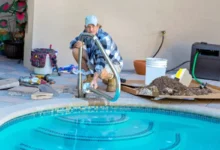
Sand filters use a bed of fine sand as the filtration medium to trap dirt and debris from the water. Over time, the sand bed becomes clogged, reducing the filter's efficiency. Backwashing is the primary method of cleaning sand filters. To backwash, turn off the pump, set the filter valve to the backwash position, and restart the pump. Allow the water to flow in reverse through the filter, flushing out the trapped debris. Once the water runs clear, stop the backwashing process and set the valve back to the filtration position. Regularly inspect the sand bed and replace it when it becomes worn or ineffective.
Cartridge Filters
Cartridge filters consist of a pleated fabric cartridge that captures debris as water passes through. Cleaning cartridge filters involves removing the cartridges and rinsing them with a hose or soaking them in a cleaning solution to remove accumulated dirt and debris. Avoid using high-pressure jets or harsh chemicals that can damage the fabric. Consider having a spare set of cartridges to ensure uninterrupted filtration while cleaning. It's also important to periodically replace the cartridges when they become worn or damaged.
Diatomaceous Earth (DE) Filters
DE filters use a fine powder made from fossilized diatoms as the filtration media. The DE powder coats a series of grids inside the filter, creating a fine sieve that captures even the smallest particles. Cleaning DE filters involves backwashing like sand filters, followed by a process called “DE filter powder recharge.” After backwashing, add the appropriate amount of DE powder through the skimmer to replenish the filter's filtration capabilities. Regularly inspect the grids for any tears or damage and replace them if necessary.
Maintaining Filter Pressure
Monitoring and maintaining the filter pressure is crucial for optimal filtration and efficient operation. Each type of filter has a recommended pressure range, typically indicated on the pressure gauge. A pressure gauge measures the pressure inside the filter tank. As debris accumulates and clogs the filter, the pressure will gradually increase. When the pressure reaches the high end of the recommended range, it's time to clean or backwash the filter. Regularly check the pressure gauge and clean the filter as needed to ensure consistent filtration and prevent damage to the filter system.
Balancing Pool Water Chemistry
Properly balancing pool water chemistry is essential for maintaining a safe and comfortable swimming environment. It involves managing pH levels, chlorine, alkalinity, and calcium hardness. Let's explore each aspect of pool water chemistry and how to achieve the right balance.
Managing pH Levels
pH levels measure the acidity or alkalinity of your pool water. The ideal pH range for pool water is between 7.4 and 7.6. Outside this range, the water can become corrosive or scale-forming, leading to various problems. To adjust pH levels, use pH increasers, such as sodium bicarbonate, to raise the pH or pH decreasers, such as muriatic acid, to lower the pH. Regularly test the pH level using a reliable testing kit and make adjustments as needed to maintain the proper balance.
Maintaining Chlorine Levels
Chlorine is a vital sanitizer that kills bacteria, viruses, and other harmful microorganisms in the water. The recommended chlorine level for a pool is between 1.0 and 3.0 parts per million (ppm). Low chlorine levels can result in inadequate sanitization and the growth of algae, while high chlorine levels can lead to eye and skin irritation. Maintain the proper chlorine level by regularly adding chlorine tablets, granules, or liquid to the pool as directed by the manufacturer. Test the chlorine level using a reliable test kit and adjust as necessary.
Ensuring Proper Alkalinity
Alkalinity acts as a buffer, stabilizing the pH level and preventing rapid fluctuations. The recommended alkalinity range for pool water is between 80 and 120 ppm. Low alkalinity can cause pH instability and corrosion, while high alkalinity can lead to cloudy water and difficulty in adjusting pH levels. Sodium bicarbonate is commonly used to raise alkalinity, while muriatic acid can be used to lower it. Regularly test the alkalinity level using a reliable test kit and make adjustments as needed to maintain a stable pH balance.
Managing Calcium Hardness
Calcium hardness refers to the concentration of calcium ions in the water. The recommended calcium hardness range for pool water is between 200 and 400 ppm. Low calcium hardness can lead to the corrosion of pool surfaces and equipment, while high calcium hardness can cause scaling and cloudy water. Adjusting calcium hardness levels usually involves adding calcium chloride to increase hardness or diluting the water to reduce hardness. Test the calcium hardness using a reliable test kit and make adjustments as needed to maintain the proper balance.
Preventing and Treating Algae in Your Pool
Algae growth is a common problem in pools, causing cloudy water, slippery surfaces, and an unappealing appearance. Preventing and treating algae is an essential part of pool maintenance. Let's explore effective strategies to keep your pool algae-free.
Regular Pool Cleaning and Brushing
Regular cleaning and brushing of your pool's surfaces is crucial in preventing algae growth. Algae spores can attach to pool walls, steps, and other surfaces, providing a foothold for growth. By brushing the pool at least once a week, you dislodge any spores and prevent them from settling and multiplying. Focus on areas prone to algae growth, such as shaded spots, corners, and steps. Regularly skim and vacuum the pool to remove debris that can contribute to algae growth.
Maintain Proper Water Chemistry
Properly balanced water chemistry is crucial in preventing algae growth. Algae thrive in conditions where the pH, chlorine, and alkalinity levels are not within the recommended ranges. Regularly test and adjust these levels to maintain a clean and healthy pool environment. Shocking the pool with a higher dose of chlorine can help kill existing algae and prevent further growth. Consult a pool professional or use a reliable testing kit to ensure accurate results and appropriate chemical adjustments.
Use Algaecides and Clarifiers
Algaecides are chemicals specifically designed to prevent and kill algae. Regularly adding an appropriate algaecide to your pool can help inhibit algae growth. Different algaecides are available for specific types of algae, so choose one that targets the type most commonly found in your pool. Additionally, using clarifiers can help improve water clarity and prevent the formation of algae. Clarifiers gather small particles together, making it easier for the filter to remove them. Follow the manufacturer's instructions and dosage recommendations when using algaecides and clarifiers.
Maintain Proper Filtration and Circulation
Proper filtration and circulation are vital in preventing algae growth. Ensure that your pool's filtration system is operating correctly and clean or backwash the filter regularly to remove debris. Optimize water circulation by running the pool pump for a sufficient duration and ensuring that the return jets are positioned to promote proper flow. By maintaining efficient filtration and circulation, you reduce the chances of algae spores settling and multiplying in your pool.
Winterizing Your Pool
Winterizing your pool is essential to protectit from the potential damage caused by freezing temperatures and harsh winter conditions. Proper winterization ensures that your pool remains in good condition during the colder months and is ready for reopening in the spring. Here are the key steps to winterize your pool effectively.
Clean the Pool
Before winterizing your pool, make sure it is thoroughly cleaned. Remove any debris, leaves, and dirt from the water and skim the surface. Brush the walls and vacuum the pool to ensure there are no contaminants left behind. Cleaning the pool before winterizing helps prevent the buildup of algae and other organic matter during the dormant period.
Adjust the Water Chemistry
Balance the water chemistry before closing your pool for winter. Adjust the pH, chlorine, alkalinity, and calcium hardness levels to their recommended ranges. This helps protect the pool surface and equipment from damage caused by imbalanced water chemistry. Consider using a winterizing chemical kit that includes algaecides and winterizing agents to further protect the water during the dormant period.
Lower the Water Level
Lower the water level in your pool to avoid potential damage caused by freezing water. The water level should be below the skimmer and return jets. Use a submersible pump or the pool's filtration system to lower the water level to the appropriate height. Be cautious not to drain the pool completely, as this can cause structural damage.
Winterize the Plumbing and Equipment
Properly winterize the pool's plumbing and equipment to prevent freezing and damage. Start by draining all water from the plumbing lines, including the pump, filter, and heater. Use a shop vacuum or air compressor to blow out any remaining water. Remove drain plugs, winterize caps, and any other removable parts from the equipment. Store these components in a dry and safe place for the winter.
Cover the Pool
Invest in a high-quality pool cover that fits securely over your pool. A winter cover provides protection from debris, keeps the water clean, and prevents accidental entry. Choose a cover specifically designed for winter use, as it will have added features such as reinforced edges and UV resistance. Ensure the cover is properly secured with water bags, cover clips, or a cable and winch system to prevent it from being blown off by strong winds.
Regular Maintenance During Winter
Even during the winter months, some maintenance tasks are necessary to ensure your pool remains in good condition. Regularly check the pool cover for any damage or sagging and address any issues promptly. Remove any debris or standing water that accumulates on the cover. Additionally, periodically check the water chemistry to ensure it remains within the recommended ranges. This can be done using a winterizing kit or by taking a water sample to a pool supply store for testing.
Spring Reopening
When the warmer weather arrives, it's time to prepare your pool for reopening. Remove the pool cover and clean it thoroughly before storing it away. Reinstall any removable equipment and fittings that were removed for winterization. Fill the pool to its normal operating level and begin the process of balancing the water chemistry. Run the pool pump and filtration system to circulate and filter the water. Finally, remove any debris or leaves that may have accumulated in the pool during the dormant period.
Troubleshooting Common Pool Issues
Despite regular maintenance, pools can sometimes experience issues that require troubleshooting and resolution. Here are some common pool problems and their recommended solutions.
Cloudy Water
Cloudy water is a common issue caused by various factors, including improper water chemistry, insufficient filtration, or the presence of algae. To resolve cloudy water, start by testing and adjusting the water chemistry to the recommended levels. Run the pool filter for an extended period to improve filtration and remove any debris or suspended particles. If algae are present, apply an appropriate algaecide and brush the pool thoroughly to dislodge and eliminate the algae. Consider using a pool clarifier to enhance water clarity.
Green Pool
A green pool is typically caused by the growth of algae. To treat a green pool, start by shocking the water with a higher dose of chlorine to kill the algae. Brush the pool walls and floor to dislodge the algae and improve the effectiveness of the treatment. Run the pool filter continuously, backwashing or cleaning the filter as needed to remove the dead algae. Test the water chemistry and adjust as necessary to prevent further algae growth. Consider using an algaecide to prevent future outbreaks.
Poor Water Circulation
If you notice poor water circulation in your pool, it may be due to a clogged or malfunctioning pump or filter. Inspect the pump and filter for any blockages or damage and address the issue accordingly. Clean or backwash the filter to remove any debris that may be obstructing water flow. Ensure that the return jets are properly positioned to promote proper circulation. If the problem persists, consult a pool professional to diagnose and resolve the issue.
Leaking Pool
If you suspect a leak in your pool, it's important to address it promptly to prevent further damage. Conduct a visual inspection of the pool for any visible cracks, tears, or damaged fittings. Check the pool's water level over several days to determine if there is a significant loss of water. If you suspect a leak, contact a pool professional who specializes in leak detection and repair. They will use specialized equipment to locate and fix the leak, ensuring the pool's integrity is maintained.
Pool Equipment Issues
If you experience issues with pool equipment such as pumps, filters, or heaters, it's important to address them promptly to ensure proper pool operation. Start by checking the power supply and connections to ensure they are secure. Inspect the equipment for any visible damage or signs of wear. Clean or replace filters as necessary, and consult the equipment's manual or contact a pool professional for further troubleshooting and repair.
Maintaining a clean and clear pool doesn't have to be a daunting task. With the knowledge and techniques outlined in this ultimate guide, you can ensure that your pool remains a source of enjoyment and relaxation for years to come. Regular maintenance, proper chemical balance, and diligent cleaning will reward you with crystal-clear water and a pristine swimming environment. So dive in and make pool maintenance a breeze!