Used Manufactured Homes for Sale in Oregon to be Moved
Used Manufactured Homes for Sale in Oregon to be Moved – Are you in the market for a new home in Oregon? Consider the option of purchasing a used manufactured home that can be moved to your desired location. With a wide range of options available, buying a used manufactured home provides an affordable and flexible solution for homeownership. In this blog article, we will explore the benefits of purchasing a used manufactured home in Oregon to be moved, along with some key considerations and tips to guide you through the process.
What are Used Manufactured Homes?
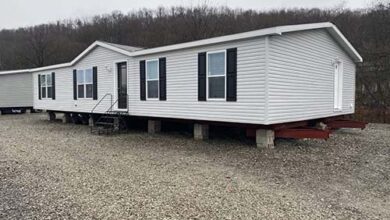
Used manufactured homes, also known as mobile homes or prefabricated homes, are houses that are built in a factory and then transported to a specific location. These homes are constructed using standardized building techniques and materials, ensuring consistency and quality. Manufactured homes offer a range of sizes, layouts, and designs, allowing buyers to find a home that suits their needs and preferences.


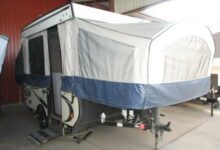
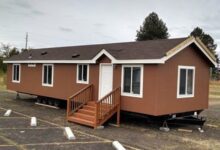
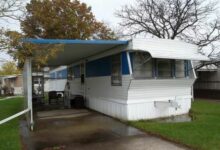
One of the main differences between manufactured homes and traditional stick-built houses is the construction process. Manufactured homes are built in a controlled factory environment, where skilled workers fabricate the components of the house. This controlled environment allows for greater precision and efficiency in the construction process, resulting in a faster completion time.
Manufactured homes are built to comply with strict building codes set by the Department of Housing and Urban Development (HUD). These codes ensure that the homes meet certain safety and quality standards, making them a reliable and durable housing option.
The Benefits of Used Manufactured Homes
Purchasing a used manufactured home in Oregon to be moved offers several benefits over buying a traditional stick-built house. These benefits include:
- Affordability: Used manufactured homes are generally more affordable than traditional houses. They offer a cost-effective housing solution for those looking to own a home without breaking the bank. The lower cost of manufactured homes allows buyers to allocate their budget towards other expenses or investments.
- Flexibility: Buying a used manufactured home gives you the freedom to choose your desired location. Whether you prefer a rural setting or want to be closer to urban amenities, you can find a suitable piece of land and move your home there. This flexibility allows you to create your ideal living environment.
- Customization Options: Manufactured homes can be customized to suit your preferences. From choosing the layout and floor plan to selecting interior finishes and fixtures, you have the freedom to personalize your home. This customization ensures that your home reflects your unique style and meets your specific needs.
- Energy Efficiency: Modern manufactured homes are designed with energy efficiency in mind. They often feature energy-efficient appliances, insulation, and heating/cooling systems. This not only helps reduce your environmental footprint but also saves you money on utility bills in the long run.
- Quality Construction: Manufactured homes are built in a controlled factory environment, ensuring consistent quality and adherence to building codes. Skilled workers use precision techniques and high-quality materials to construct these homes, resulting in a durable and well-built structure.
Factors to Consider When Buying Used Manufactured Homes
Before purchasing a used manufactured home in Oregon to be moved, it's important to consider several factors that can influence your decision. These factors include:
Budget
One of the first considerations when buying a used manufactured home is your budget. Determine how much you are willing to spend on the home itself, as well as the costs associated with moving and setting up the home in your desired location. Take into account any potential repairs or renovations that may be needed and factor those costs into your budget as well.
Location
Decide on the location where you want to move your manufactured home. Consider factors such as proximity to schools, work, amenities, and your preferred lifestyle. Research different areas in Oregon to find the ideal location that meets your needs and preferences.
Condition
Inspect the condition of the used manufactured home before making a purchase. Look for any signs of structural damage, water leaks, or other issues that may require costly repairs. It's important to thoroughly assess the condition of the home to ensure you are making a sound investment.
Financing Options
Explore the financing options available for purchasing a used manufactured home. Traditional mortgage loans may not be available for manufactured homes, so it's important to research alternative financing options such as personal loans or specialized manufactured home loans. Compare interest rates, terms, and requirements to find the best financing option for your situation.
Utilities and Site Preparation
Consider the utilities and site preparation required for the manufactured home. Ensure that the land you choose has access to water, electricity, and sewage systems. Additionally, factor in the cost of site preparation, including leveling the land, installing a foundation, and connecting utilities.
Resale Value
While buying a manufactured home to be moved is a great option for homeownership, it's essential to consider the potential resale value. Research the real estate market in the area where you plan to move the home and determine whether manufactured homes hold their value well. This can help you make a more informed decision regarding your long-term investment.
Finding Used Manufactured Homes for Sale in Oregon
Once you have considered the necessary factors and are ready to start your search for used manufactured homes for sale in Oregon, you'll need to explore the best resources and platforms to find your dream home. Here are some avenues to consider:
Local Dealerships
Visit local manufactured home dealerships in Oregon. These dealerships often have a variety of used homes available for purchase. You can tour the homes, ask questions, and get a better understanding of the available options. Local dealerships may also offer financing options and assistance with the moving process.
Online Listings
Utilize online platforms that specialize in listing used manufactured homes for sale. Websites such as Zillow, Realtor.com, and MHVillage.com can provide a wide range of options to choose from. Use search filters to narrow down your criteria, such as location, price range, and specific home features.
Real Estate Agents
Consider working with a real estate agent who specializes in manufactured homes. They have extensive knowledge of the local market and can help you navigate the buying process. Real estate agents can provide valuable insights and advice, as well as access to exclusive listings that may not be available to the general public.
Word-of-Mouth and Networking
Spread the word among your friends, family, and colleagues that you are looking to buy a used manufactured home in Oregon. They may know someone who is selling their home or have connections to the industry. Networking can sometimes lead to unexpected opportunities and help you find the perfect home.
Inspecting a Used Manufactured Home
When you find a used manufactured home that you are interested in, it's crucial to inspect it thoroughly before making a purchase. Here are some key areas to focus on during the inspection:
Exterior
Start by examining the exterior of the home for any signs of damage or wear. Look for cracks in the siding, loose or missing panels, and signs of water damage or rot. Check the roof for leaks, missing shingles, or other issues that may require repairs.
Interior
Step inside the home and inspect the interior thoroughly. Pay attention to the condition of the flooring, walls, and ceilings. Look for any signs of water damage, mold, or pests. Evaluate the layout and size of the rooms to ensure they meet your needs.
Electrical and Plumbing Systems
Check the electrical and plumbing systems to ensure they are in good working condition. Test the lights, outlets, and switches to ensure they function properly. Run the faucets and flush the toilets to check for any plumbing issues.
Heating and Cooling Systems
If the home has a heating or cooling system, inspect it to ensure it is in good working order. Test the system to see if it provides adequate heating and cooling throughout the home. Consider the age and efficiency of the system, as well as any potential maintenance or repair costs.
Structural Integrity
Assess the structural integrity of the home. Look for any signs of sagging floors, uneven walls, or other indications of structural issues. Pay close attention to the foundation and ensure it is stable and secure.
Appliances and Fixtures
Check the condition and functionality of the appliances and fixtures included with the home. Test the stove, refrigerator, dishwasher, and any other appliances to ensure they are in good working order. Inspect the condition of the sinks, faucets, and other fixtures for any signs of wear or damage.
Understanding the Moving Process
Once you have purchased a used manufactured home, the next step is to understand the moving process involved in relocating the home to your desired location in Oregon. Here are the key aspects to consider:
Permits and Regulations
Before moving a manufactured home, you will need to obtain the necessary permits and comply with local regulations. Contact the relevant authorities to understand the specificrequirements and regulations in your area. This may include permits for transportation, road closures, and obtaining permission from the landowner or homeowners association if applicable. Familiarize yourself with the process and ensure you have all the required documentation in place before moving forward.
Transportation
Transporting a manufactured home requires specialized equipment and experienced professionals. Hire a reputable moving company that specializes in relocating manufactured homes. They will have the necessary equipment, such as trucks and trailers, to safely transport your home to its new location. Coordinate with the moving company to schedule the transportation and ensure that they have all the necessary information, including the dimensions and weight of your home.
Site Preparation
Before your manufactured home can be set up in its new location, you will need to prepare the site. This may involve clearing the land, leveling the ground, and preparing the foundation. Depending on the specific requirements and regulations in your area, you may need to hire professionals to carry out these tasks. Ensure that the site is properly prepared to ensure a smooth and secure installation of your home.
Utilities Connection
Once the home is in place, you will need to connect it to utilities such as water, electricity, and sewage systems. Coordinate with local service providers to ensure that utilities are properly connected and functioning. This may involve hiring professionals to install meters, hook up electrical and plumbing systems, and ensure compliance with local codes and regulations.
Home Setup
After the utilities are connected, the next step is to set up your manufactured home. This involves leveling the home, attaching it to the foundation if applicable, and securing it in place. Follow the manufacturer's guidelines and consult professionals if needed to ensure that the home is properly set up and meets all safety requirements. Consider hiring professionals who specialize in manufactured home setup to ensure a secure and stable installation.
Skirting and Exterior Finishing
Once the home is set up, you can proceed with adding finishing touches to the exterior. Install skirting around the base of the home to provide a finished appearance and protect against pests and the elements. Consider adding landscaping elements, such as plants, walkways, and outdoor living spaces, to enhance the curb appeal and create a welcoming environment.
Cost Considerations of Moving a Manufactured Home
When purchasing a used manufactured home to be moved, it's important to consider the various costs involved in the moving process. Here are some cost considerations to keep in mind:
Home Price
The price of the used manufactured home itself will vary depending on factors such as size, age, condition, and location. Set a budget for the home purchase and consider the costs of any necessary repairs or renovations when determining your overall budget.
Moving Company Fees
Hiring a professional moving company to transport your home will incur fees. The cost of the moving company's services will depend on the distance traveled, the complexity of the move, and any additional services required. Obtain quotes from multiple moving companies to compare prices and services.
Permits and Regulations
Obtaining the necessary permits and complying with local regulations may involve fees. Research the specific requirements in your area and factor in any permit fees or associated costs when planning your budget.
Site Preparation
Preparing the site for your manufactured home may require professional assistance and incur costs. The extent of the site preparation will depend on factors such as the condition of the land, the need for leveling, and the installation of a foundation or other structural components. Get multiple quotes from contractors to estimate the costs involved.
Utilities Connection
The cost of connecting utilities to your manufactured home will vary depending on the distance from existing utility lines and any necessary infrastructure upgrades. Contact utility providers to obtain cost estimates and factor in these expenses when planning your budget.
Insurance and Warranties
Insurance and warranties are important considerations when purchasing a used manufactured home. The cost of insurance will depend on factors such as the age, condition, and location of the home. Research insurance providers and obtain quotes to determine the insurance costs. Additionally, consider the availability of warranties for the home and any appliances or systems included.
Repair and Maintenance Costs
Used manufactured homes may require repairs or maintenance to ensure their safety and longevity. Factor in the potential costs of repairs or upgrades when budgeting for your home purchase. It's advisable to have a professional inspection conducted before purchasing to identify any potential issues or areas in need of repair.
Financing Options for Used Manufactured Homes
When purchasing a used manufactured home in Oregon, there are various financing options available to assist you. Consider the following options:
Manufactured Home Loans
There are specialized lenders that offer loans specifically for manufactured homes. These loans may have different requirements and terms compared to traditional mortgage loans. Research lenders that specialize in manufactured home financing and compare their rates, terms, and eligibility criteria. This type of financing can provide the specific support needed for purchasing a used manufactured home.
Personal Loans
If traditional manufactured home loans are not available or suitable for your situation, you may consider personal loans. Personal loans can provide the flexibility to finance your home purchase, but they may have higher interest rates and shorter repayment terms. Compare loan offers from different lenders and consider the overall cost and feasibility of this option.
Grants and Assistance Programs
There may be grants and assistance programs available to help with the purchase of a used manufactured home. Research local, state, and federal programs that offer financial support to homebuyers. These programs can provide down payment assistance or subsidies that can make homeownership more affordable.
Traditional Mortgage Loans
While traditional mortgage loans may not be available for used manufactured homes, some lenders may offer mortgage options for certain types of manufactured homes that meet specific criteria. Explore this option and consult with mortgage lenders to determine if you qualify for a traditional mortgage loan.
Insurance and Warranty Considerations
When purchasing a used manufactured home, it's important to consider insurance and warranties to protect your investment. Here are some key considerations:
Homeowners Insurance
Obtaining homeowners insurance is essential to protect your manufactured home against risks such as fire, theft, and natural disasters. Research insurance providers that specialize in manufactured homes and obtain quotes to compare coverage options and premiums. Consider the specific risks in your area and ensure that your insurance policy provides adequate coverage.
Extended Warranties
Extended warranties can provide additional protection for the appliances, systems, and components of your used manufactured home. Research the availability of extended warranties for the specific make and model of your home. Consider the cost of the warranty and the coverage it provides to determine if it is a worthwhile investment.
Manufactured Home Warranty Programs
Some manufacturers or dealers may offer warranty programs for used manufactured homes. These programs typically cover structural defects or issues that may arise within a specified period after purchase. Inquire about the availability of such programs and carefully review the terms and coverage before making a decision.
Tips for a Smooth Transition
Transitioning into your new used manufactured home in Oregon can be an exciting and rewarding experience. Here are some tips to ensure a smooth and successful transition:
Organize and Plan Ahead
Prioritize organization and planning to avoid any last-minute surprises or delays. Create a timeline and checklist of tasks to be completed before, during, and after the move. This will help you stay organized and ensure that everything is on track.
Pack and Label Efficiently
Packing efficiently and labeling boxes can make the unpacking process much easier. Clearly label each box with its contents and the room it belongs to. This will help you locate items quickly and efficiently when setting up your new home.
Coordinate with Moving Company
Keep open lines of communication with the moving company throughout the process. Provide them with all the necessary information regarding the move, including the dimensions and weight of your home, as well as any specific requirements or restrictions at the new location. This will help ensure a smooth and efficient move.
Notify Service Providers and Change Address
Prior to moving, notify your service providers, such as utility companies, internet providers, and insurance companies, of your change of address. Update your address with the post office, banks, and any other relevant entities. This will help avoid any disruptions in service and ensure that important mail and notifications reach you at your new home.
Take Time to Settle In
Once you have moved into your new home, take some time to settle in and get acquainted with your new surroundings. Unpack essentials first and gradually work through the remaining boxes. Take the opportunity to explore the area, meet your neighbors, and make your new house feel like a home.
In conclusion, purchasing a used manufactured home in Oregon to be moved offers a cost-effective and flexible option for homeownership. With careful consideration of the factors involved, thorough research, and proper planning, you can find the perfect home that meets your needs and budget. Start exploring the market, follow the necessary steps, and make your dream of homeownership a reality!